
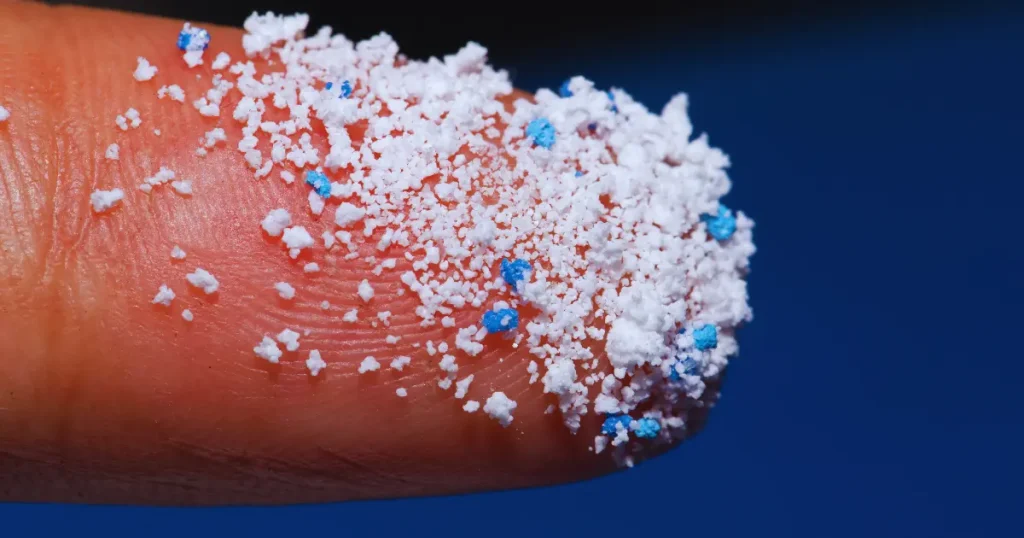
Microplastics—defined as plastic particles less than five millimeters in size—have become one of the most insidious pollutants of the modern era. While most public awareness campaigns have focused on marine environments and the accumulation of floating plastic debris in the oceans, recent research has uncovered a more widespread and alarming truth: terrestrial and freshwater ecosystems often harbor microplastic concentrations equal to or greater than those found in the marine realm. From agricultural soils to mountain streams and urban rivers, microplastics are infiltrating environments essential for food production, biodiversity, and clean drinking water. This article explores the primary pathways by which microplastics enter soil and freshwater systems, the ecological disruptions they cause, particularly within the United States, and the strategies needed to mitigate their long-term impacts. It concludes with an invitation to join EcoServants® in restoring environmental health through direct volunteer action.
Pathways of Contamination: How Microplastics Enter Soils and Inland Waters
Microplastics reach terrestrial and freshwater systems through a complex network of human activities. Some of the most significant sources include:
Tire wear and road runoff: As vehicles move, their tires shed microscopic synthetic rubber particles. These particles accumulate on road surfaces and are later washed into nearby soils, storm drains, and rivers during rain events. Studies have shown that tire particles may account for up to one-third of the microplastics entering global oceans, with even higher concentrations found in roadside soils and urban waterways.
Wastewater effluent and biosolids: Municipal wastewater treatment plants filter out most large plastics but allow many microplastic particles—especially fibers from laundry and personal care products—to pass through. These either exit as treated effluent into rivers or become concentrated in sewage sludge, which is commonly applied as fertilizer on U.S. farmland. It is estimated that around 60% of all sewage sludge in the United States is land-applied, making biosolids one of the largest vectors of terrestrial microplastic contamination.
Agricultural plastic use: Plastics are extensively used in modern agriculture, from mulch films and irrigation tubing to seed coatings and slow-release fertilizers. Over time, these materials degrade into microplastics that settle into the soil. Despite the productivity benefits these plastics provide, their degradation fragments become permanent pollutants in agricultural lands.
Atmospheric deposition: Windborne microplastic particles—largely fibers from textiles and urban dust—can travel vast distances before settling. In the western United States, researchers have estimated that over 1,000 tons of microplastics are deposited annually via rain and wind onto remote national parks and wilderness areas. This “plastic rain” has been detected from the Rocky Mountains to the Arctic, indicating a truly global distribution of airborne plastic particles.
Litter and mismanaged waste: Improper disposal of plastics leads to macroplastic pollution that eventually breaks down into microplastic fragments. Runoff from landfills, roadside trash, and urban debris further contributes to the contamination of nearby soils and freshwater systems.
Impacts on Soil Health and Agricultural Productivity
Microplastics in soil are not inert. Their presence affects soil structure, microbial activity, nutrient cycling, and plant health in increasingly measurable ways.
Microbial disruption: Microplastics can alter the diversity and functionality of microbial communities in soil. Studies show reductions in microbial biomass and changes in key enzymatic activities related to nitrogen and carbon cycling. These disruptions may decrease soil fertility over time and hinder decomposition processes critical to ecosystem health.
Soil structure and water dynamics: The physical presence of microplastic fragments and fibers can modify soil porosity, aggregate formation, and water retention properties. Some particles may increase porosity and moisture in the short term, but long-term effects often include reduced aeration, soil compaction, and inhibited root development—especially when particles interfere with natural drainage or root-microbe interactions.
Plant health and contaminant uptake: Microplastics can impair seed germination, root elongation, and shoot development. There is also growing evidence that plant roots can absorb nano-sized plastic particles or mobilized contaminants attached to microplastics, such as heavy metals and persistent organic pollutants. This may increase the risk of pollutants entering the human food chain via agricultural produce.
Effects on soil fauna: Earthworms, nematodes, and other invertebrates ingest microplastics while feeding, often resulting in digestive tract blockages, reduced reproductive output, and altered burrowing behavior. Since these organisms play vital roles in maintaining soil structure and fertility, their impairment can accelerate ecological degradation.
Impacts on Freshwater Ecosystems and Aquatic Life
Once in rivers, lakes, and streams, microplastics pose significant risks to aquatic organisms and water quality.
Bioaccumulation and food web disruption: Microplastics are ingested by aquatic invertebrates, fish, and other wildlife, often being mistaken for food. These particles can accumulate in the digestive tracts and tissues of organisms, disrupting feeding behavior, growth, and reproduction. In laboratory studies, fish exposed to microplastics showed signs of inflammation, oxidative stress, and behavioral abnormalities. Since many freshwater species are consumed by humans, this contamination also raises concerns about human exposure.
Toxic chemical leaching: Microplastics are not just physical irritants—they can also act as carriers for toxic compounds. Additives like phthalates and bisphenol A, along with surface-adsorbed pollutants such as pesticides and heavy metals, may leach from plastic particles into the tissues of aquatic organisms. This vector effect increases the risk of toxin transfer through the food web.
Alteration of ecosystem structure: Microplastics can shift species compositions within aquatic ecosystems. Sensitive species may decline due to toxicity or ingestion, while more tolerant organisms may proliferate, reducing biodiversity and altering trophic dynamics.
Water quality and treatment challenges: Microplastics have been detected in tap water and bottled water across the U.S., suggesting that current water treatment processes are not always capable of filtering them out. This emerging issue poses regulatory and technical challenges for municipalities responsible for safe drinking water.
U.S.-Based Research and Case Studies
Recent studies from across the United States confirm the widespread presence of microplastics in both soils and freshwater bodies:
- The Great Lakes and tributaries: U.S. Geological Survey research has found widespread microplastic contamination in Great Lakes rivers, with fibers from textiles making up over 70% of detected particles. Urban tributaries exhibit especially high concentrations, reflecting runoff from cities and industrial areas.
- Farmland biosolids: Long-term experiments in Washington State show accumulation of microplastics in agricultural soils treated with biosolids over two decades. Runoff from these fields contains elevated microplastic levels, confirming that biosolid use transfers microplastics from wastewater to terrestrial and freshwater environments.
- Atmospheric deposition in national parks: A 2020 study found that over 1,000 tons of microplastics are deposited each year onto U.S. wilderness areas via atmospheric fallout. These findings underscore that even remote landscapes are not immune to plastic contamination.
Global Context and Comparative Policies
International research reinforces the scope and urgency of microplastic contamination. In China, intensive plastic mulch use has led to severe soil contamination in key agricultural zones. The European Union has implemented sweeping regulations banning microplastics in consumer products and requiring textile and tire manufacturers to address fiber and particle emissions. France, notably, will mandate microfiber filters in all new washing machines by 2025.
While the United States led early efforts to eliminate microbeads in cosmetics, it currently lacks national regulations addressing microplastics in soils, freshwater, or drinking water—apart from California’s state-level testing requirements. This policy gap represents a missed opportunity to proactively manage a growing environmental threat.
Emerging Solutions and Next Steps
Efforts to mitigate microplastic pollution are gaining momentum across sectors:
- Source prevention: Innovations include developing low-shedding textiles, durable tires, and biodegradable agricultural plastics.
- Improved capture technology: Filtration systems for washing machines, stormwater runoff filters, and advanced wastewater treatment methods can intercept microplastics before they reach the environment.
- Public awareness and legislation: Policies promoting extended producer responsibility, plastic reduction incentives, and environmental education can help shift behaviors and market practices.
- Research and monitoring: Continued funding for environmental monitoring, ecotoxicological studies, and standardized testing methods will be critical to understanding and managing microplastic impacts.
Conclusion: Taking Action through EcoServants®
The issue of microplastics in terrestrial and freshwater environments demands immediate, coordinated action across scientific, regulatory, and community domains. Soils and freshwater bodies are foundational to human and ecological health, and their contamination with plastic particles poses unacceptable risks to biodiversity, food security, and clean water supplies.
EcoServants® is committed to combating pollution through community-driven ecological restoration, education, and policy advocacy. You can play a vital role in protecting ecosystems from microplastic contamination by volunteering your time, energy, and expertise.
Join the movement today: Become an EcoServant
References
- Brahney, J., Hallerud, M., Heim, E., Hahnenberger, M., & Sukumaran, S. (2020). Plastic rain in protected areas of the United States. Science, 368(6496), 1257–1260.
- USGS (2021). Microplastics in rivers and streams of the Great Lakes. United States Geological Survey.
- European Commission (2022). Restrictions on intentionally added microplastics.
- GESAMP (2015). Sources, fate and effects of microplastics in the marine environment: A global assessment.
- Zhang, G., & Liu, Y. (2018). The distribution of microplastics in soil aggregate fractions in southwestern China. Science of the Total Environment, 642, 12–20.
- Rillig, M.C., Ziersch, L., & Hempel, S. (2017). Microplastic transport in soil by earthworms. Scientific Reports, 7, 1362.
- Boots, B., Russell, C.W., & Green, D.S. (2019). Effects of microplastics in soil ecosystems: Above and below ground. Environmental Science & Technology, 53(19), 11496–11506.
- Chae, Y., & An, Y.J. (2018). Current research trends on plastic pollution and ecological impacts on the soil ecosystem: A review. Environmental Pollution, 240, 387–395.
- California State Water Resources Control Board (2022). Drinking water testing for microplastics.
- NOAA Marine Debris Program (2021). Microplastics in the Great Lakes and beyond.
- Corradini, F., Meza, P., Eguiluz, R., Casado, F., Huerta-Lwanga, E., & Geissen, V. (2019). Evidence of microplastic accumulation in agricultural soils from sewage sludge disposal. Science of the Total Environment, 671, 411–420.
- Bläsing, M., & Amelung, W. (2018). Plastics in soil: Analytical methods and possible sources. Science of the Total Environment, 612, 422–435.
- Wright, S.L., & Kelly, F.J. (2017). Plastic and human health: A micro issue? Environmental Science & Technology, 51(12), 6634–6647.