

The accompanying photographs show a large quantity of intentionally sliced cylindrical batteries scattered across a gravel clearing beside a wooded area. Photographs alone cannot establish who discarded them, or whether they are connected to illegal drug production. Any suspected clandestine laboratory waste should be treated as hazardous and investigated by trained authorities rather than handled by members of the public.
Illegal dumping is often imagined as abandoned furniture, household garbage, tires, or construction debris left along an isolated road. Waste associated with illicit drug production is different. A suspected clandestine methamphetamine production site can contain corrosive chemicals, flammable liquids, reactive metals, contaminated containers, toxic residues, pressurized vessels, improvised equipment, and ordinary-looking trash that has absorbed hazardous substances.
When this material is discarded in a forest, field, gravel lot, drainage area, campground, roadside pull-off, or abandoned building, the crime becomes more than drug manufacturing. It becomes an environmental release, a public-safety emergency, and potentially a long-term hazardous-waste problem.
Why Mobile and Woodland Sites Are Especially Dangerous
Clandestine methamphetamine production has occurred in many settings, including houses, apartments, motel rooms, storage facilities, campgrounds, sheds, vehicles, and outdoor locations. Smaller mobile operations may be moved frequently to avoid detection, while waste can be abandoned separately from the place where production occurred. The Drug Enforcement Administration maintains a national register that includes locations where authorities reportedly discovered clandestine laboratories or chemical dumpsites, demonstrating that production sites and waste-disposal locations are not always the same place.
Woodland areas can appeal to illegal operators because vegetation, distance, limited lighting, and low pedestrian traffic provide concealment. A vehicle can enter an isolated clearing, unload contaminated materials, and leave before the dumping is noticed. In some cases, the actual production activity may also occur in a vehicle, makeshift shelter, tent, trailer, outbuilding, or temporary campsite.
This mobility creates a dangerous gap between the people who generate the waste and the people who eventually encounter it. A chemical container may be left beside a trail where a hiker, child, hunter, utility worker, landowner, cleanup volunteer, or animal finds it days or months later. By then, labels may have dissolved, metal may have corroded, containers may have ruptured, and the original contents may have mixed with rainwater, soil, leaves, or other discarded substances.
The U.S. Forest Service warns that illegal drug activity on public lands can damage waterways, harm or kill wildlife, and destroy habitat. It also cautions that such locations may present direct dangers to visitors, employees, and law-enforcement personnel.
Methamphetamine Waste Is Not Ordinary Litter
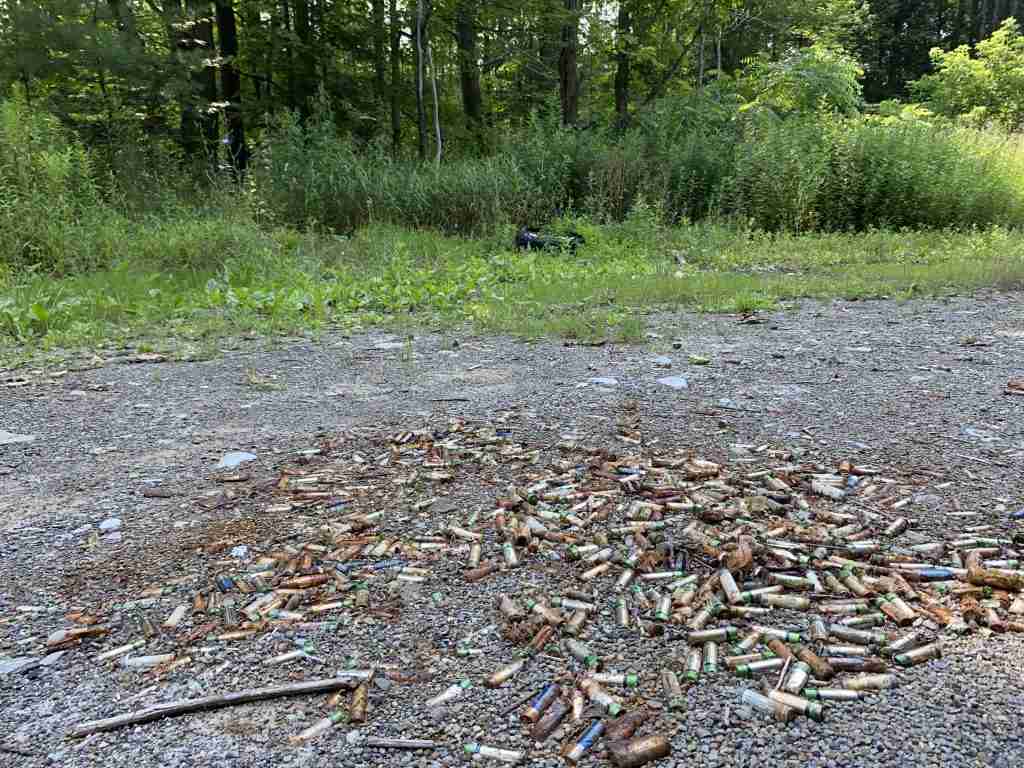
Methamphetamine can be produced through several illicit processes, and the chemicals encountered vary. A suspected site may contain solvents, acids, bases, fuels, salts, reactive materials, pharmaceutical packaging, filters, tubing, stained bottles, improvised reaction vessels, batteries or battery components, and chemical sludge.
An item does not need to look industrial to be dangerous. Ordinary beverage bottles, camping-fuel containers, coolers, buckets, jars, plastic tubing, funnels, gloves, coffee filters, and household-product packaging may have been repurposed during production. Some vessels may remain pressurized or chemically unstable after abandonment.
The Centers for Disease Control and Prevention has described clandestine methamphetamine laboratories as potential hazardous-waste sites because the production process can cause fires, explosions, toxic-gas releases, and the generation of dangerous waste. The Environmental Protection Agency likewise notes that meth-lab materials can create conditions susceptible to fires and explosions, particularly where volatile solvents, reactive substances, or unsafe electrical systems are involved.
Even when production has stopped, the danger does not necessarily end. Residues may remain in containers, equipment, soil, dust, vegetation, vehicles, buildings, and porous materials. The EPA publishes detailed cleanup guidelines because removing visible equipment is not always enough to make a former laboratory or disposal site safe.
Soil Contamination
Soil is often the first environmental resource affected by outdoor dumping. Liquids poured onto the ground can spread through gravel, leaf litter, topsoil, and underlying sediment. Broken or corroded containers can release their contents gradually, creating contamination that may not be visible from the surface.
Strong acids and bases can alter soil chemistry, killing plants and disrupting microorganisms that support nutrient cycling and decomposition. Solvents and petroleum-related substances may harm roots, insects, fungi, and other soil organisms. Salts and chemical byproducts can make localized soil conditions unsuitable for vegetation.
The result may be an obvious dead patch, but contamination can also exist beneath apparently healthy plants. Rain may dilute or move a chemical without eliminating it. Some contaminants can bind to soil particles; others may travel downward with water. Disturbed areas can then spread contamination through erosion, vehicle tires, animal movement, or runoff.
Removing the visible trash therefore may address only the most apparent part of the problem. Depending on the chemicals involved, professional remediation may require sampling, excavation of contaminated soil, removal of stained gravel, hazardous-waste packaging, and testing to determine whether the remaining site is safe.
Threats to Streams, Wetlands, and Groundwater
Woodlands are connected to larger watersheds. A clearing may drain toward a ditch, intermittent stream, wetland, pond, spring, or groundwater recharge area. During rain, contaminated sediment and dissolved chemicals can move away from the original dumpsite.
A container discarded hundreds of feet from visible water can still become a water-pollution source. Surface runoff follows slopes and depressions that may be difficult to recognize in dry weather. In areas with permeable soils or fractured bedrock, pollutants may also move downward.
Chemical contamination can alter water acidity, reduce habitat quality, damage aquatic organisms, and introduce harmful substances into downstream environments. Small streams and temporary pools are particularly vulnerable because they may contain limited water to dilute a release. Amphibians, aquatic insects, fish, birds, and mammals can all be exposed.
The environmental harm may extend beyond the original property. Water does not recognize parcel boundaries. A release on an isolated woodland lot can eventually affect neighboring land, public waterways, wells, livestock areas, or recreational resources.
Wildlife Exposure
Wildlife investigates unfamiliar objects through smell, touch, and taste. Animals may drink contaminated puddles, lick chemical residues, chew plastic containers, walk through spills, or use discarded materials as shelter.
Exposure may occur through inhalation, ingestion, skin contact, or contaminated food and water. A smaller animal can receive a significant dose from a quantity that might appear minor to a person. Birds may collect pieces of plastic, filters, fibers, or packaging for nesting. Mammals may carry residue on their paws or fur. Scavengers can be exposed by consuming poisoned prey.
Physical hazards add to the chemical danger. Broken glass, sharp metal, corroded cylinders, wire, tubing, and jagged plastic can cut, trap, or entangle animals. Containers can collect water and become insect-breeding sites. Fires caused by reactive or flammable waste can destroy nesting areas and vegetation far beyond the original dump.
Repeated dumping can gradually turn a secluded natural area into a chemically disturbed zone where wildlife encounters both toxic substances and dangerous debris.
Risks to Cleanup Volunteers and Property Owners
Community cleanup volunteers are accustomed to collecting bottles, cans, food wrappers, and other routine litter. That normal approach is unsafe at a suspected clandestine drug site.
Gloves and trash bags do not provide adequate protection against unknown corrosive, toxic, flammable, or reactive substances. Placing multiple containers into the same bag can cause previously separated chemicals to leak and mix. Loading them into a vehicle can expose occupants to fumes or create a fire risk. Even apparently dry debris may carry hazardous residues.
Property owners face similar problems. A person may want to clear a dumping area quickly, especially when it is near a home, trail, livestock enclosure, or children’s play area. However, disturbing the site can increase exposure and destroy evidence that authorities need to determine what occurred.
The location may also require more than ordinary trash removal. DEA’s environmental-management program assists participating state and local agencies with certain clandestine methamphetamine laboratory cleanups, reflecting the specialized handling and disposal requirements associated with these sites.
What to Do When a Suspected Site Is Found
Anyone encountering a suspected clandestine production or chemical-dumping site should withdraw without touching anything. People should avoid smoking, using an open flame, operating equipment near the material, or attempting to identify chemicals by smell. Children, pets, volunteers, and other visitors should be kept away.
From a safe location, the discoverer should contact local law enforcement or emergency services and explain that the area may contain unknown chemical waste or evidence of a clandestine drug laboratory. The location can be described using an address, trail name, landmarks, or coordinates obtained without reentering the hazardous area.
Photographs taken from a safe distance may help document the condition, but no one should approach more closely merely to obtain better images. Responders can determine whether a hazardous-materials team, environmental agency, fire department, drug task force, or specialized contractor is needed.
EcoServants® encourages volunteers to document environmental concerns through the EcoServants Community Service Reporting system. When participating in a cleanup or visiting a natural area, volunteers can use the CSR to record litter, pollution, illegal dumping, and other environmental conditions that may require attention. Suspected chemical or drug-production waste should never be touched, moved, or collected. Instead, leave the area, contact local authorities from a safe location, and submit a CSR report with general observations and safely obtained photographs to help build a clearer picture of environmental threats affecting our communities. Visit the EcoServants CSR to report your environmental service and observations.