
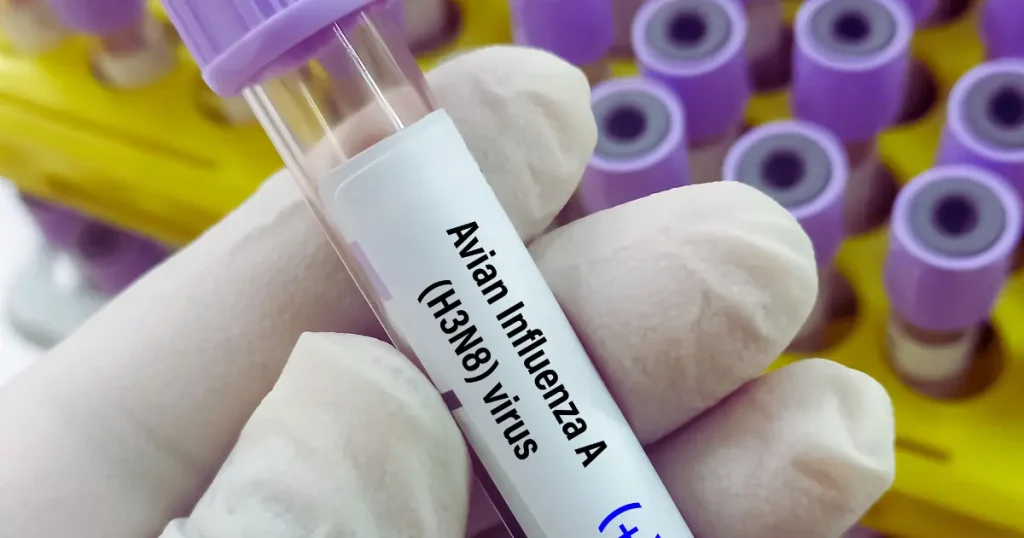
As a national nonprofit, EcoServants is committed to keeping our community informed on critical environmental issues. We want to share important information with our EcoServants residing in New York State about a new online reporting tool launched by the New York State Department of Environmental Conservation (DEC). This platform allows the public to report suspected Highly Pathogenic Avian Influenza (HPAI) outbreaks in wild birds, helping state agencies track and respond to the disease more efficiently.
State Officials Urge Public Participation
Interim DEC Commissioner Sean Mahar emphasized the importance of public involvement in detecting and managing HPAI outbreaks. “Under Governor Hochul’s leadership, DEC is working closely with our State agency and federal partners to monitor incidence of Highly Pathogenic Avian Influenza affecting wild birds and the threat it can pose for domestic animals,” said Mahar. “I encourage New Yorkers to use this web-based tool to provide DEC with real-time information about locations of suspected outbreaks wherever and whenever they occur.”
State Agriculture Commissioner Richard A. Ball echoed this sentiment, highlighting the importance of early detection. “Early detection of HPAI is key to preventing its spread. DEC’s new reporting tool will help us understand how HPAI is impacting wild birds, so we can find it quickly and take further action to keep it contained.” Ball urged citizens who own backyard poultry to remain vigilant for signs of illness, unexplained deaths, or sudden drops in egg production and report any concerns to the Division of Animal Industry.
State Health Commissioner Dr. James McDonald reinforced the need for continued monitoring. “This new web-based tool allows for rapid response to reports of sick birds, further protecting public health. While there are no human cases of Highly Pathogenic Avian Influenza, we will continue to monitor these detections and work closely with our state and local partners to prevent the spread of the virus.”
HPAI in New York: A Persistent Threat
HPAI has been affecting birds and mammals across the United States and Canada, including New York. The first recorded case in the state was in February 2022 in a backyard poultry flock in Suffolk County. Since then, it has been detected in free-ranging wild birds, wild mammals, and captive birds in multiple counties.
How the Reporting Tool Works
The new reporting link can be found on DEC’s Animal Diseases webpage or directly accessed at this link. Reports should include details such as the number of sick or dead birds, bird species, and locations where HPAI has not yet been documented. DEC is particularly interested in reports concerning waterfowl, raptors, crows, shorebirds, and waterbirds like gulls, loons, and herons, as these species are especially vulnerable to the virus.
However, due to the widespread nature of HPAI, not all reports will result in DEC retrieving the animals for testing or disposal. The public is advised to take precautions when handling dead wildlife and to keep domestic animals away from potentially infected birds. If removal is necessary, individuals should wear protective gear, avoid direct contact with carcasses, and follow proper disposal procedures, including triple-bagging remains and placing them in outdoor trash receptacles.
Minimizing Risk and Protecting Public Health
According to the U.S. Centers for Disease Control and Prevention (CDC), the risk to the public remains low. However, those with close, prolonged unprotected contact with infected birds or contaminated environments face a higher risk of infection. HPAI is caused by an influenza type A virus that primarily affects waterfowl but can also infect domestic poultry, raptors, corvids, and mammals. While some infected birds can carry the virus without symptoms, others—especially domestic poultry—often succumb to the disease.
By utilizing the DEC’s new reporting tool and following recommended precautions, EcoServants in New York can play a crucial role in controlling HPAI and protecting wildlife, domestic animals, and public health.