
In a world where our food system is under increasing pressure from climate change, soil degradation, and resource depletion, sustainable agriculture offers a beacon of hope. This approach to farming focuses on producing food in ways that are environmentally friendly, economically viable, and socially responsible. Let’s explore what sustainable agriculture involves, why it’s important, and how it benefits our planet and our communities.
What is Sustainable Agriculture?
Sustainable agriculture is a farming approach designed to meet current food needs without compromising the ability of future generations to meet theirs. It encompasses a range of practices that aim to enhance soil health, conserve water, reduce greenhouse gas emissions, and promote biodiversity.
Here are some key principles:
Conservation of Resources: Efficient use of water, energy, and other resources to minimize waste and environmental impact.
Soil Health: Practices that maintain or improve soil fertility and structure, promoting long-term productivity.
Biodiversity: Encouraging a diverse range of plants, animals, and microorganisms to create balanced and resilient ecosystems.
Economic Viability: Ensuring that farming practices are profitable and support the livelihoods of farmers and communities.
Social Responsibility: Promoting fair labor practices and supporting local economies.
Key Sustainable Agriculture Practices
Here are some of the main practices used in sustainable agriculture:
- Crop Rotation
Crop rotation involves changing the types of crops grown in a particular field from year to year. This practice helps prevent soil depletion, reduces the buildup of pests and diseases, and improves soil structure and fertility.
Benefits:
Improved Soil Health: Different crops contribute different nutrients to the soil, helping to maintain its balance.
Pest Management: Rotating crops can reduce the prevalence of pests and diseases that thrive on specific crops.
- Cover Cropping
Cover crops are planted between main crop cycles to cover and protect the soil. These plants, such as clover or rye, are not harvested but instead are used to enhance soil health and prevent erosion.
Benefits:
Soil Erosion Control: Cover crops help prevent soil erosion by stabilizing the soil with their root systems.
Nutrient Enrichment: They add organic matter and nutrients to the soil, improving its fertility.
- Conservation Tillage
Conservation tillage reduces the amount of soil disturbance caused by farming practices. This includes methods like no-till or reduced-till, where the soil is minimally disturbed to maintain its structure and health.
Benefits:
Soil Health: Less soil disturbance helps preserve soil structure and reduce erosion.
Carbon Sequestration: Conservation tillage can increase the amount of carbon stored in the soil, helping to mitigate climate change.
- Integrated Pest Management (IPM)
IPM combines biological, cultural, physical, and chemical tools to manage pests in an environmentally and economically sustainable way. This approach focuses on long-term prevention and minimal use of synthetic pesticides.
Benefits:
Reduced Chemical Use: IPM reduces the reliance on chemical pesticides, decreasing environmental and health risks.
Enhanced Pest Control: By using a variety of methods, IPM can more effectively manage pest populations.
- Agroforestry
Agroforestry integrates trees and shrubs into crop and livestock systems. This practice can provide shade, improve soil quality, and create habitat for beneficial wildlife.
Benefits:
Ecosystem Services: Trees can enhance biodiversity, improve water retention, and offer windbreaks.
Diversified Income: Agroforestry can provide additional sources of income from tree products such as fruit, nuts, or timber.
Benefits of Sustainable Agriculture
Sustainable agriculture offers a range of benefits that extend beyond the farm:
- Environmental Health
By reducing reliance on synthetic chemicals and focusing on soil and water conservation, sustainable agriculture helps protect ecosystems and reduce pollution. Practices like cover cropping and conservation tillage also enhance soil health, making it more resilient to erosion and degradation. - Economic Viability
Sustainable practices can increase farm productivity and profitability in the long term. By reducing input costs (like fertilizers and pesticides) and improving soil health, farmers can achieve more stable yields and lower costs. Additionally, sustainable practices can open up new market opportunities for organic and locally-produced foods. - Community Well-being
Sustainable agriculture promotes fair labor practices and supports local economies. By focusing on local markets and reducing the carbon footprint of food transport, it helps strengthen community ties and provides access to fresh, nutritious food. - Climate Resilience
Sustainable farming practices, such as carbon sequestration through conservation tillage and agroforestry, help mitigate climate change by storing carbon in the soil and vegetation. This contributes to overall climate resilience, benefiting both agriculture and natural ecosystems.
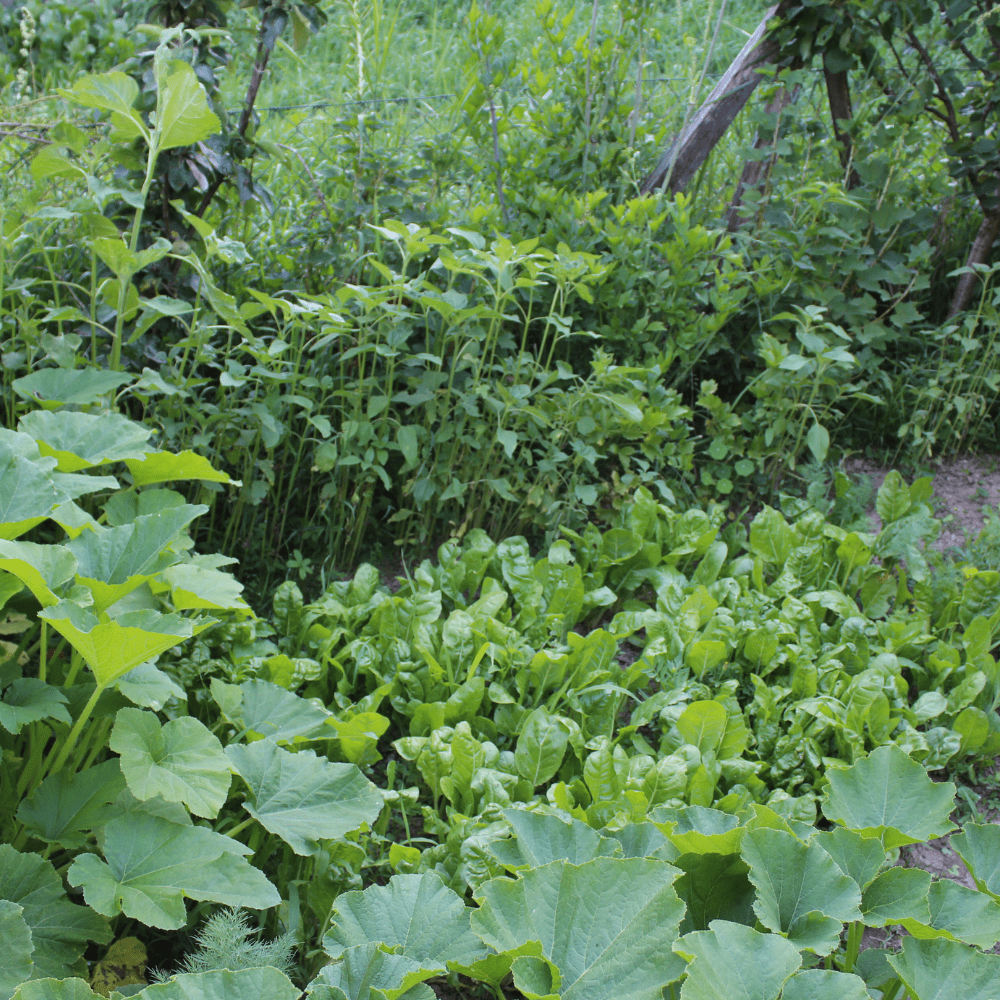
Adopting sustainable agriculture practices is crucial for the future of food security and environmental health. By embracing these practices, farmers can help build resilient ecosystems, support local communities, and ensure that future generations have access to healthy and nutritious food.
At the Ecological Servants Project, we’re dedicated to promoting sustainable agriculture and supporting farmers who are committed to these practices. We believe that by working together, we can create a more sustainable and equitable food system for all.
Join us in our mission to support sustainable agriculture and protect our planet. Every effort counts, and together, we can make a lasting impact on our environment and our communities.