
The hum of an electric vehicle (EV) cruising down the street is becoming a more common sound, and for good reason. As cities and countries around the world strive to reduce their carbon footprints, electric vehicles are emerging as a key player in the transition to cleaner transportation. But while EVs are often hailed as a solution to many environmental issues, it’s important to look at the full picture. Let’s explore the rise of electric vehicles, their environmental impact, and what this means for our future.
Why Electric Vehicles Are Gaining Popularity
Electric vehicles are gaining traction for several reasons:
Climate Change Mitigation: EVs produce no tailpipe emissions, which means they don’t emit pollutants like carbon dioxide (CO2), nitrogen oxides (NOx), or particulate matter (PM) that contribute to climate change and air pollution.
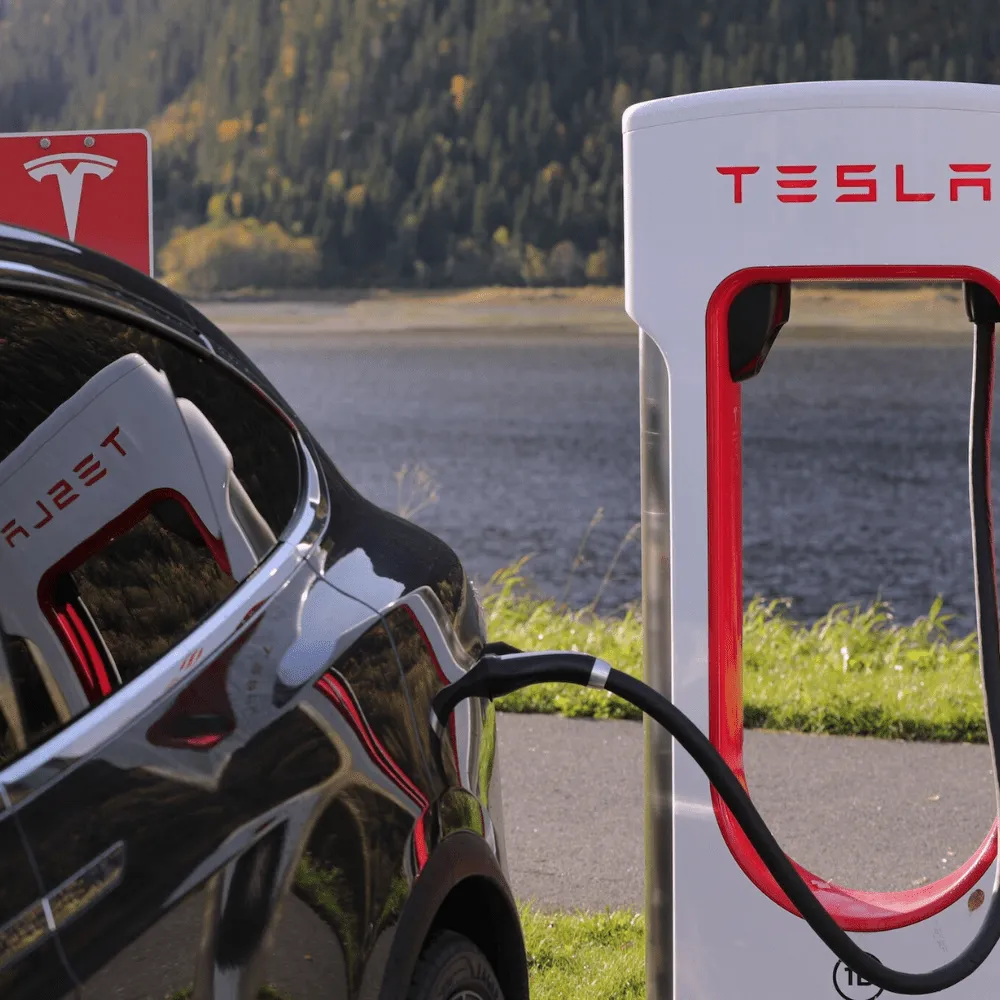
Technological Advancements: Improvements in battery technology have increased the range of EVs, making them more practical for everyday use. Charging infrastructure is also expanding, reducing concerns about finding a place to charge.
Economic Incentives: Many governments offer incentives such as tax credits, rebates, and subsidies to encourage the adoption of electric vehicles. These financial benefits make EVs more attractive to consumers.
Environmental Benefits of Electric Vehicles
The environmental benefits of electric vehicles are significant and multifaceted:
- Reduced Greenhouse Gas Emissions
EVs contribute to lower greenhouse gas emissions, especially when charged using renewable energy sources. Even when charged from the grid, which may still rely on fossil fuels, EVs generally produce fewer emissions than conventional gasoline or diesel vehicles over their lifetime.
Benefits:
Lower CO2 Emissions: EVs help reduce CO2 emissions, which is crucial for combating climate change.
Improved Air Quality: By eliminating tailpipe emissions, EVs contribute to cleaner air, which can improve public health and reduce respiratory problems.
- Energy Efficiency
Electric vehicles are more energy-efficient than internal combustion engine (ICE) vehicles. EVs convert a higher percentage of energy from the battery to power the wheels, whereas ICE vehicles lose a significant amount of energy as heat.
Benefits:
Greater Efficiency: EVs use energy more effectively, which can lead to lower overall energy consumption.
Reduced Dependence on Fossil Fuels: By shifting to electricity, we can reduce reliance on oil and other fossil fuels.
- Reduced Noise Pollution
EVs operate more quietly than traditional vehicles, which helps reduce noise pollution in urban areas. This can contribute to a more peaceful and less stressful environment for city dwellers.
Benefits:
Lower Noise Levels: Reduced noise pollution can improve quality of life and contribute to quieter, more pleasant communities.
Considerations for Electric Vehicles
While the benefits of EVs are clear, it’s important to consider some of the challenges and environmental impacts associated with them:
- Battery Production and Disposal
The production of EV batteries, particularly lithium-ion batteries, involves mining for materials such as lithium, cobalt, and nickel. This process can have environmental and ethical implications, including habitat destruction, water usage, and labor concerns.
Considerations:
Resource Extraction: Mining for battery materials can impact ecosystems and local communities.
Battery Disposal: Proper recycling and disposal of EV batteries are crucial to minimize environmental impact.
- Energy Source for Charging
The environmental impact of EVs depends on how the electricity used to charge them is generated. If the electricity comes from renewable sources, the environmental benefits are maximized. However, if it comes from fossil fuels, the benefits are reduced.
Considerations:
Grid Decarbonization: Transitioning the electricity grid to renewable sources is essential to fully realize the environmental benefits of EVs.
To maximize the positive impact of electric vehicles, several steps are needed:
Enhance Battery Technology: Developing batteries that are more sustainable, efficient, and easier to recycle can help address some of the environmental concerns associated with battery production.
Expand Renewable Energy: Increasing the share of renewable energy in the electricity grid will further reduce the carbon footprint of EVs.
Improve Charging Infrastructure: Investing in more widespread and convenient charging infrastructure can encourage more people to switch to electric vehicles.
Support Sustainable Practices: Promoting ethical sourcing of materials and responsible recycling practices can mitigate some of the negative impacts associated with battery production and disposal.
Electric vehicles represent a significant step forward in reducing our reliance on fossil fuels and cutting greenhouse gas emissions. While there are challenges to address, the overall environmental benefits are substantial. At the Ecological Servants Project, we’re committed to supporting the transition to cleaner transportation and advocating for sustainable practices in all areas of life.
By embracing electric vehicles and working together to address the challenges they present, we can move towards a cleaner, healthier future for our planet. Join us in our mission to drive positive change and support sustainable transportation solutions. Every step we take towards a greener future makes a difference.